New Construction · Clarksville & Montgomery County
“Why would I need an inspection? It’s brand new!” I hear this all the time, and I completely understand it. A new home feels like it should be perfect. But new construction inspections are one of the best investments a buyer can make, because a brand-new home is built by many different crews working fast, and even great builders miss things.
The good news? On a new build, you often get the chance to catch problems before they’re hidden behind drywall or cemented into place. Here’s how inspections work on new construction in Tennessee, when to schedule them, and how to use what the inspector finds.
- Municipal inspections check code compliance, not quality on your behalf.
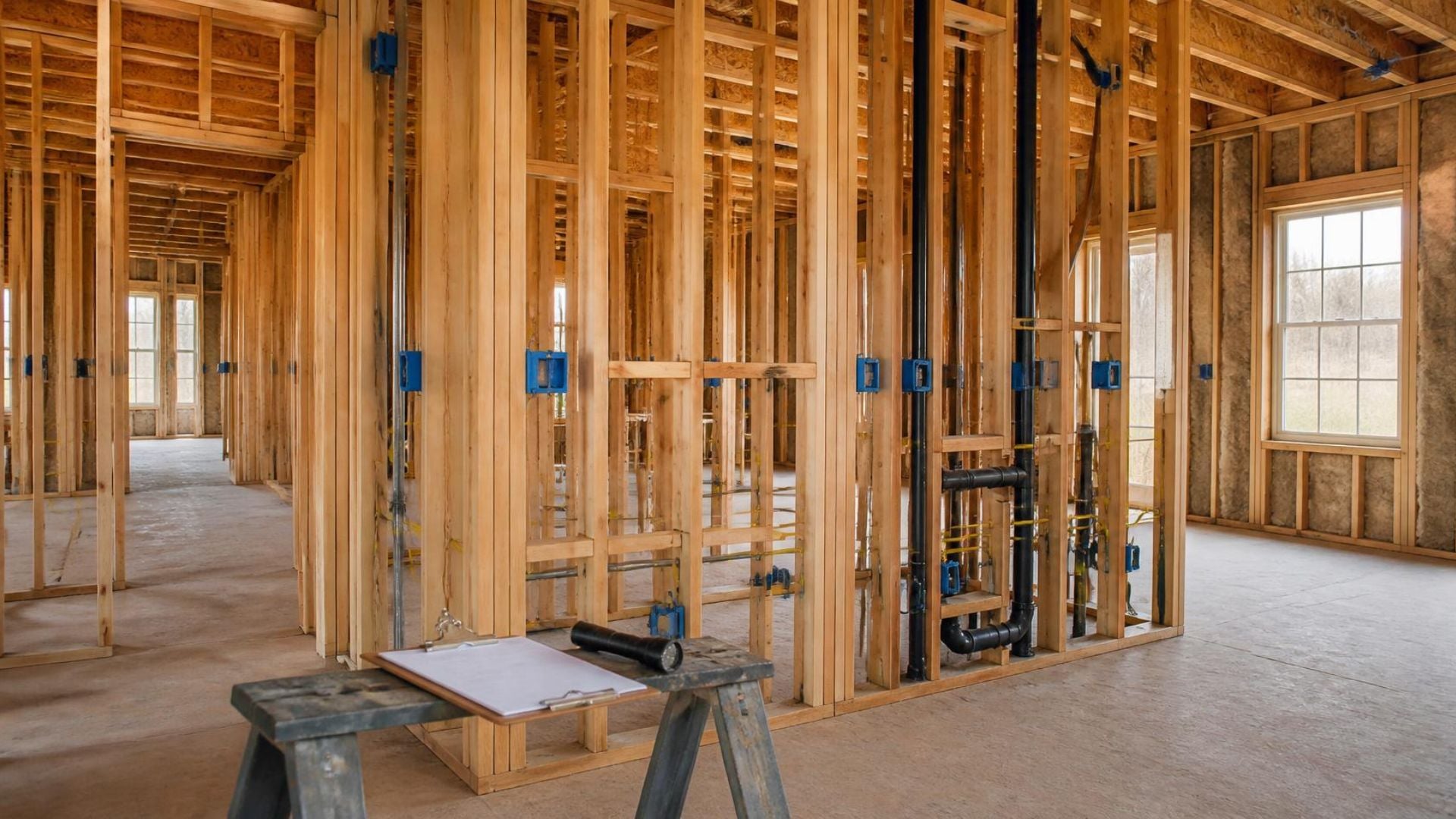
- A pre-drywall inspection lets your inspector see framing, wiring, plumbing, and HVAC before walls close.
- A final inspection before your walkthrough catches finish and system issues.
- Confirm your inspection rights in the builder’s contract before you sign.
- Some buyers add an inspection before the builder’s one-year warranty ends.
“The best time to find a problem in a new home is when it’s still a wall of studs. The second-best time is before you sign the closing papers. The worst time is after.”
Chasity Tucker, REALTOR®, eXp Realty
Do I really need an inspection on a new construction home?
Yes. Municipal or county inspections confirm that a home meets minimum code requirements at certain stages, but they aren’t a detailed quality review on your behalf. Code inspectors are checking specific items on a busy schedule. An independent home inspector you hire works for you and looks at the home through a buyer’s eyes.
New homes are assembled by many trades: framers, plumbers, electricians, HVAC installers, roofers, drywall crews, painters, and more. Each crew moves on to the next home quickly. Small mistakes, like a missing fire block, a kinked duct, a loose connection, or a poorly sealed window, are easy to miss and hard to see later.
What is a pre-drywall inspection?
A pre-drywall inspection happens after framing, roofing, windows, and rough-in plumbing, electrical, and HVAC are installed, but before insulation and drywall cover everything up. It’s your one chance to see the bones of the house.
During a pre-drywall inspection, an inspector typically looks at:
- Framing: damaged or missing studs, headers, and connections
- Roof structure: trusses, bracing, and sheathing
- Windows and doors: installation and flashing
- Plumbing rough-in: pipe routing, supports, and visible damage
- Electrical rough-in: wiring runs, box placement, and protection
- HVAC rough-in: duct routing, connections, and supports
- Moisture: signs of water intrusion on framing or sheathing
Ask your builder early how they handle pre-drywall inspections. Timing can be tight, since crews may move quickly from rough-in to insulation, so you’ll want a heads-up when the home is ready.
What does a final new construction inspection cover?
A final inspection happens once the home is complete, ideally a few days before your final walkthrough with the builder. It’s similar to a resale home inspection and covers the whole house: roof, exterior, grading, plumbing, electrical, HVAC, appliances, windows, doors, insulation, and finishes.
Common findings on new homes include missing or loose trim, grading that slopes toward the house, HVAC registers not blowing properly, GFCI outlets not working, minor roof issues, plumbing leaks under sinks, and attic insulation that’s thin in spots. None of these are unusual, and most builders will address legitimate items before closing.
| Stage | When | What it catches |
|---|---|---|
| Pre-drywall | After rough-ins, before insulation and drywall | Framing, wiring, plumbing, ducts, flashing |
| Final | Before the builder walkthrough | Systems, finishes, grading, roof, appliances |
| Pre-warranty expiration | Before the builder’s one-year coverage ends | Issues that showed up after move-in |
How does a new construction inspection fit into a Tennessee contract?
On a resale purchase in Tennessee, buyers typically have an inspection period written into the contract. On new construction, the builder’s own contract controls what inspections you can do, when, and what the builder will repair. That’s why it’s so important to read the inspection terms before signing.
Questions to ask before you sign:
- Can I bring my own licensed inspector, and at which stages?
- How much notice will I get before drywall goes up?
- How will you respond to items my inspector finds?
- Will repairs be completed and verified before closing?
If any of the contract language is unclear, a Tennessee real estate attorney can explain your rights. I’ll help make sure inspections are scheduled at the right times and that findings get communicated clearly to the builder.
What should I do with the inspection report?
Turn the report into a clear, prioritized list for the builder. Your inspector’s report may be long, and not every item carries the same weight. I help my buyers separate safety items and functional problems from cosmetic touch-ups, then share the list with the builder in writing.
Builders handle inspection items differently. Many will fix legitimate construction issues before closing. Some items may become part of the punch list addressed at the final walkthrough. Get commitments in writing, and verify that repairs were completed before you close. A quick follow-up visit from your inspector is often worth it for bigger items.
Tip: take your own photos during the walkthrough and note anything you see. Painter’s tape on small blemishes makes them easy for the builder’s team to find.
How do I choose an inspector for a new build?
Choose a licensed Tennessee home inspector who regularly inspects new construction and offers pre-drywall inspections. Not every inspector does phase inspections, so ask directly. It also helps to ask for a sample report so you can see how clearly they explain findings and whether they include photos.
Good questions to ask an inspector:
- How many new construction and pre-drywall inspections do you do each year?
- What’s included at each phase, and what’s outside your scope?
- How quickly can you schedule once the builder gives notice?
- Will you return to verify repairs before closing?
Scheduling is the trickiest part on a new build, because the window between rough-in and drywall can be short. Line up your inspector early, and let the builder know you’ll want notice. I keep a list of inspectors my clients have been happy with, and I’m glad to share it.
What about the builder’s warranty after closing?
Most builders offer a written limited warranty, often with different coverage periods for workmanship, systems, and structure. Read the actual warranty document, not a summary, and know how to submit claims. Many builders also schedule a check-in visit around the end of the first year.
Some buyers hire an inspector for an additional review a month or two before the one-year mark. Small issues like settling cracks, sticking doors, or minor leaks can show up after you’ve lived in the home a while, and catching them before coverage changes gives you the best chance to get them addressed under the warranty.
Is a new construction inspection worth the cost?
For most buyers, yes. You’re making one of the biggest purchases of your life, and an inspection costs a small fraction of the home’s price. It gives you a second set of trained eyes, documentation of the home’s condition at closing, and leverage to get legitimate issues fixed while the builder is still motivated to deliver a happy customer.
It also gives you peace of mind, which is hard to put a price on. When you move into your new Clarksville home, you want to enjoy it, not wonder what’s hiding behind the walls.
Frequently Asked Questions
Do new construction homes need an inspection in Tennessee?
An independent inspection is not legally required, but it’s strongly recommended. Code inspections check minimum compliance, while a private inspector reviews quality on your behalf and often finds items code inspections don’t cover.
When should I schedule a pre-drywall inspection?
Schedule it after framing and rough-in plumbing, electrical, and HVAC are complete, but before insulation and drywall are installed. Ask your builder for advance notice so you don’t miss the window.
Can a builder refuse to let me inspect a new home?
The builder’s contract controls inspection access, so terms vary. Ask about inspection rights before signing, and have a Tennessee real estate attorney review the contract if anything is unclear.
What is an 11-month warranty inspection?
It’s an inspection scheduled shortly before a builder’s one-year warranty coverage ends. It helps identify issues that developed after move-in so you can request repairs while they may still be covered.
Building or buying new in Clarksville?
I’d love to help you through every step, from the first sales office visit to the final walkthrough. I’ll help you plan inspections at the right times, communicate findings to the builder, and keep your closing on track.